
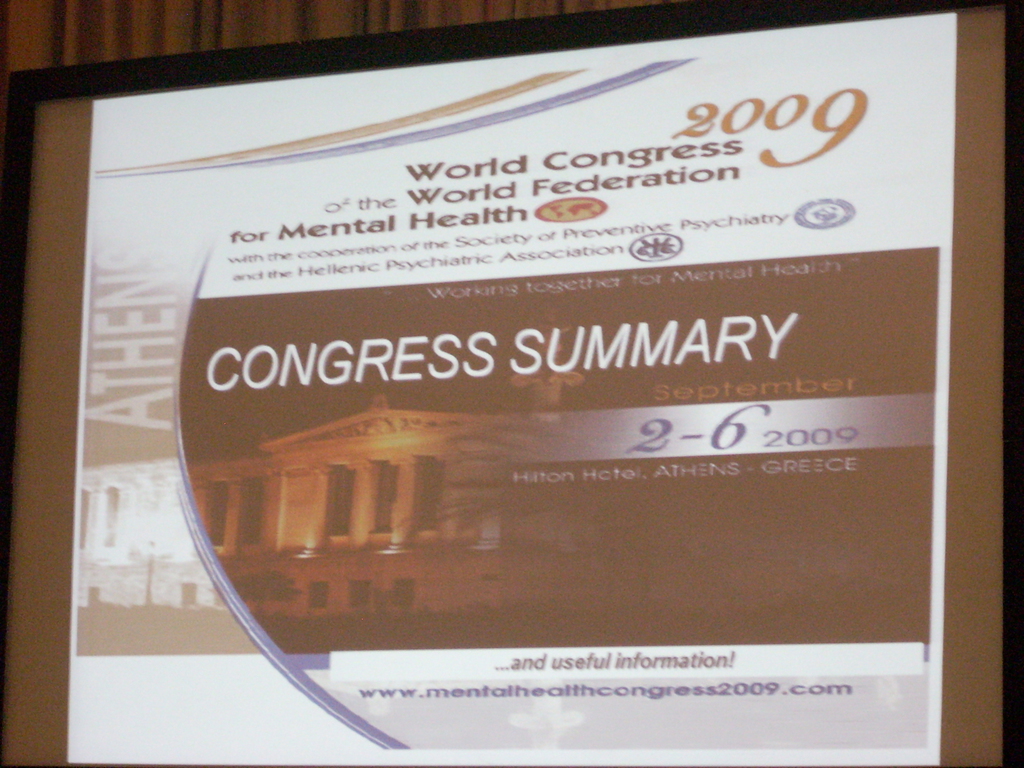
WFMH World Congress 2009 Athens. Greece
Theme of the Congress: Working Together for Mental Health

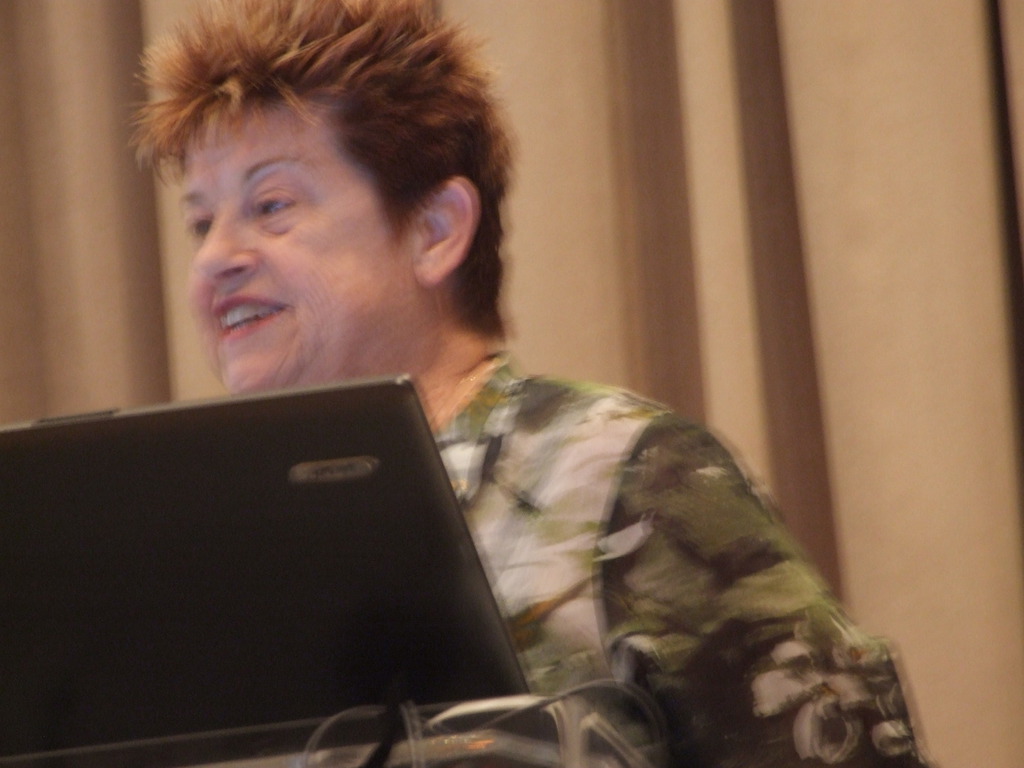
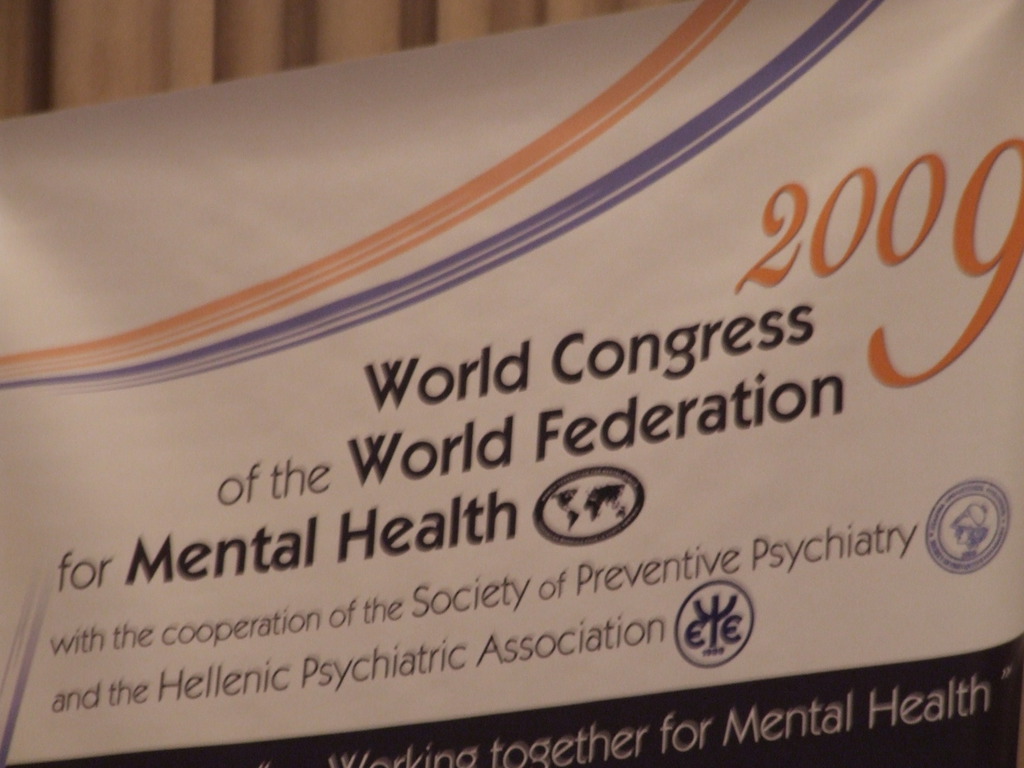
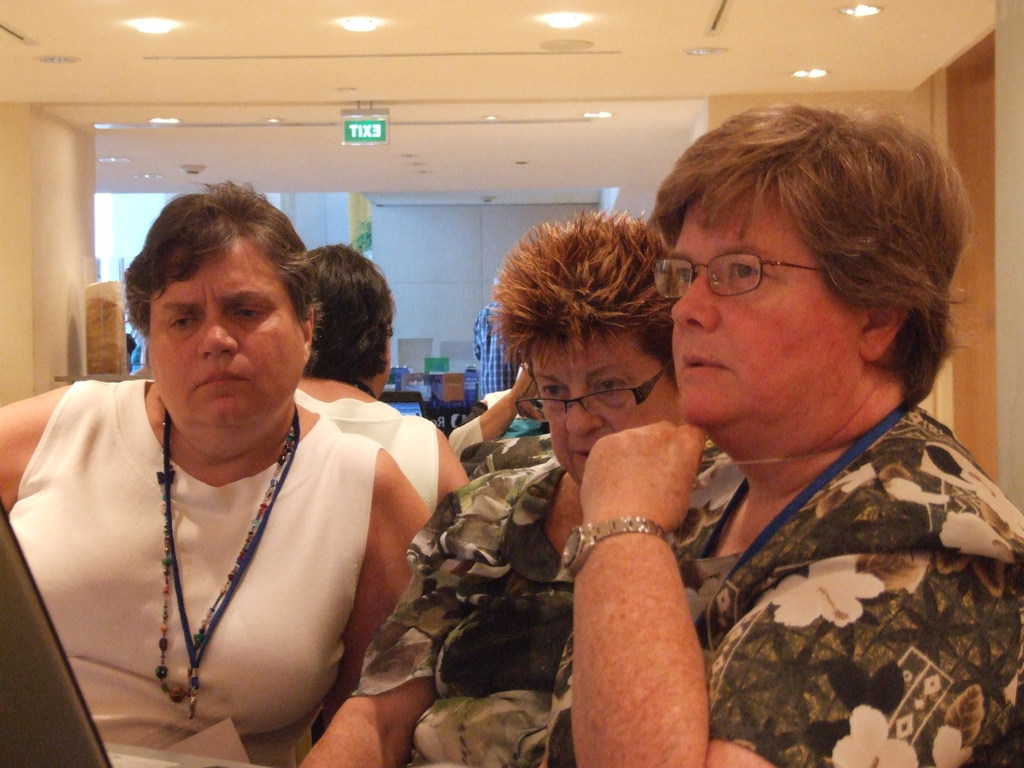
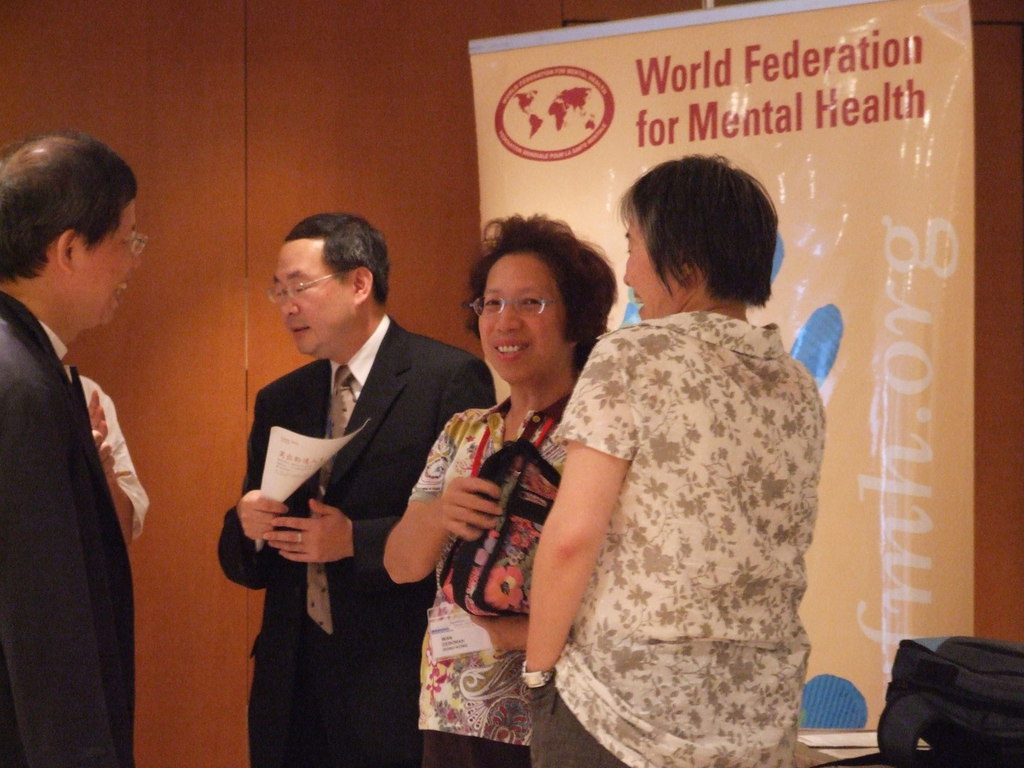
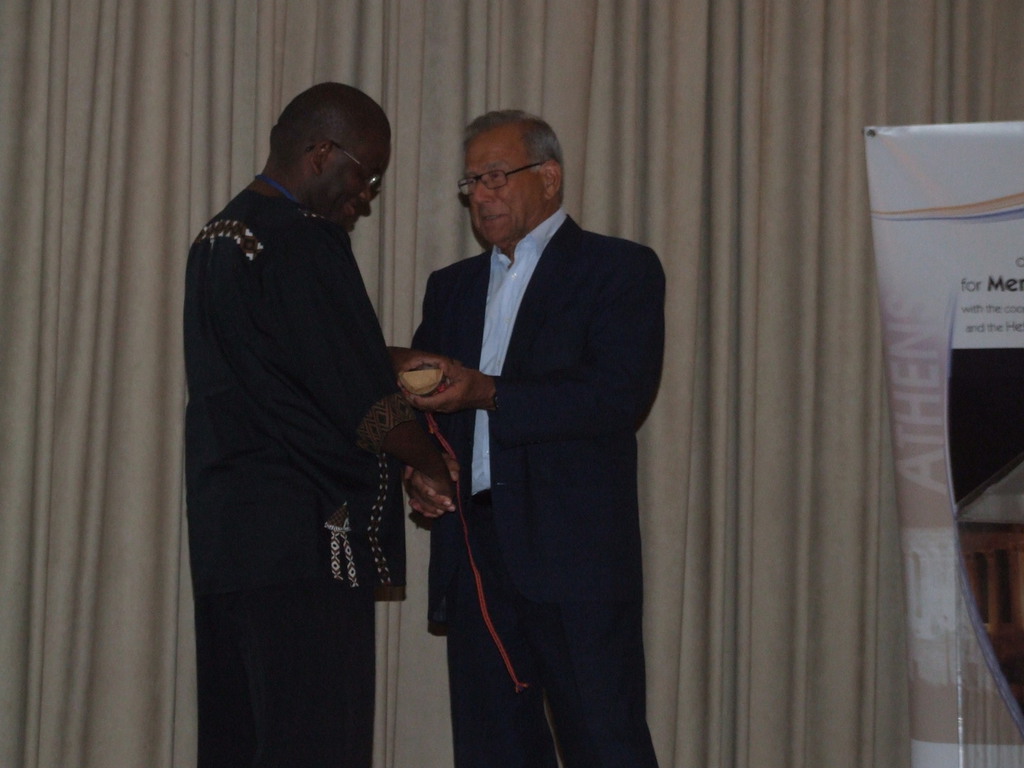
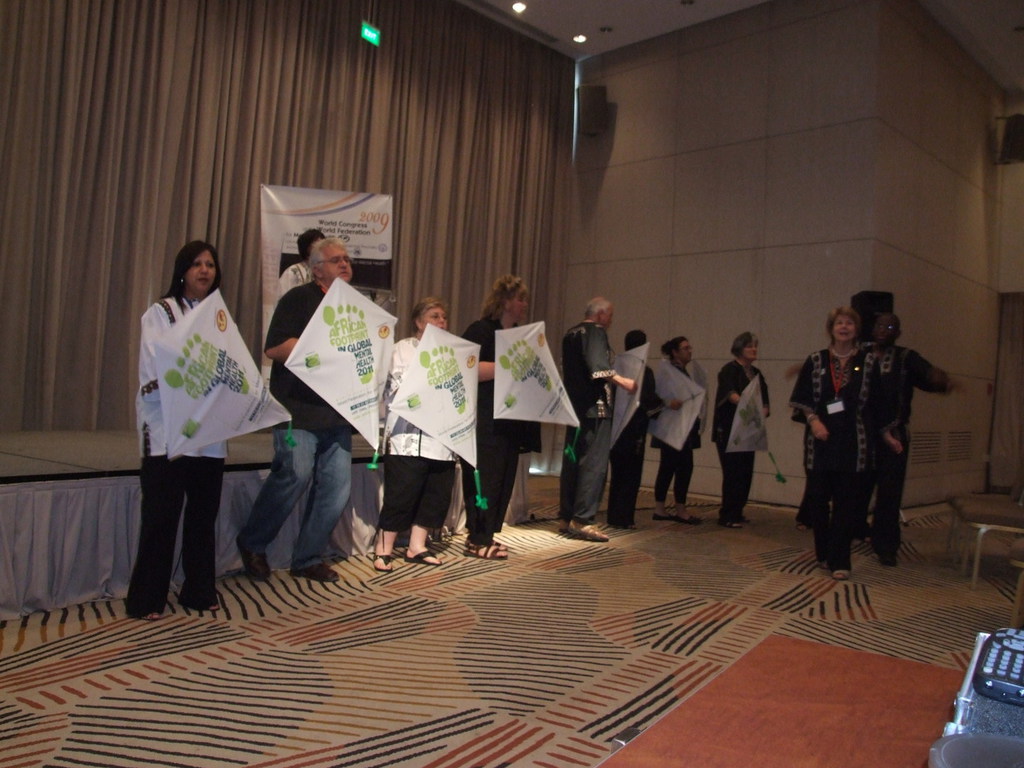


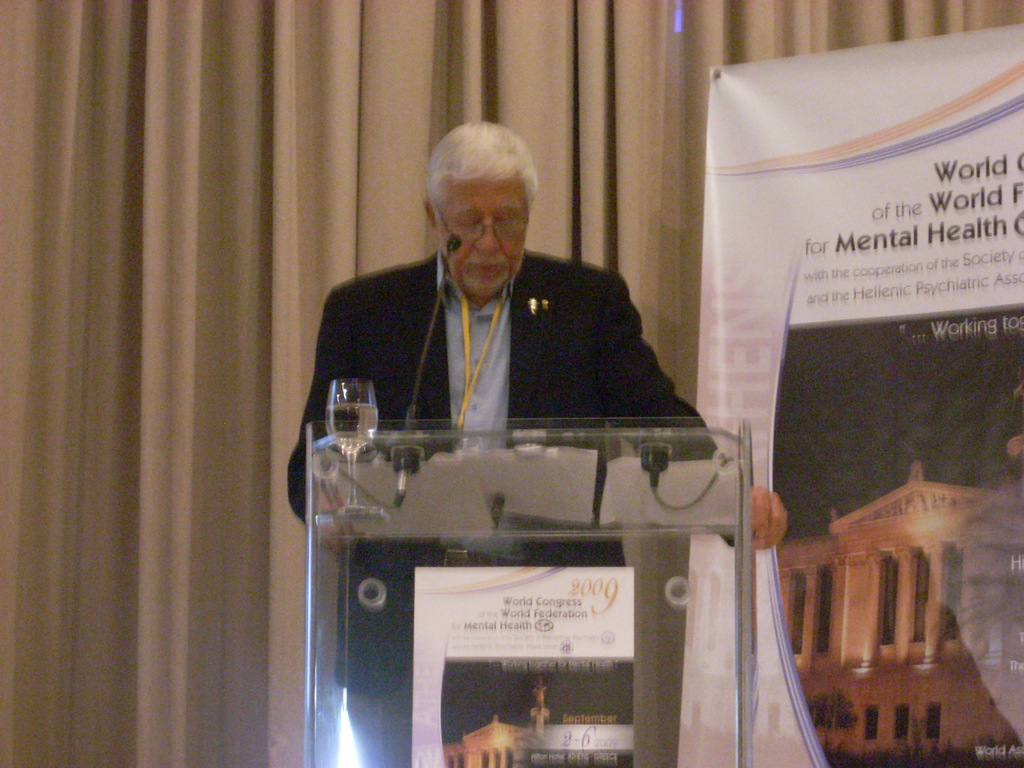
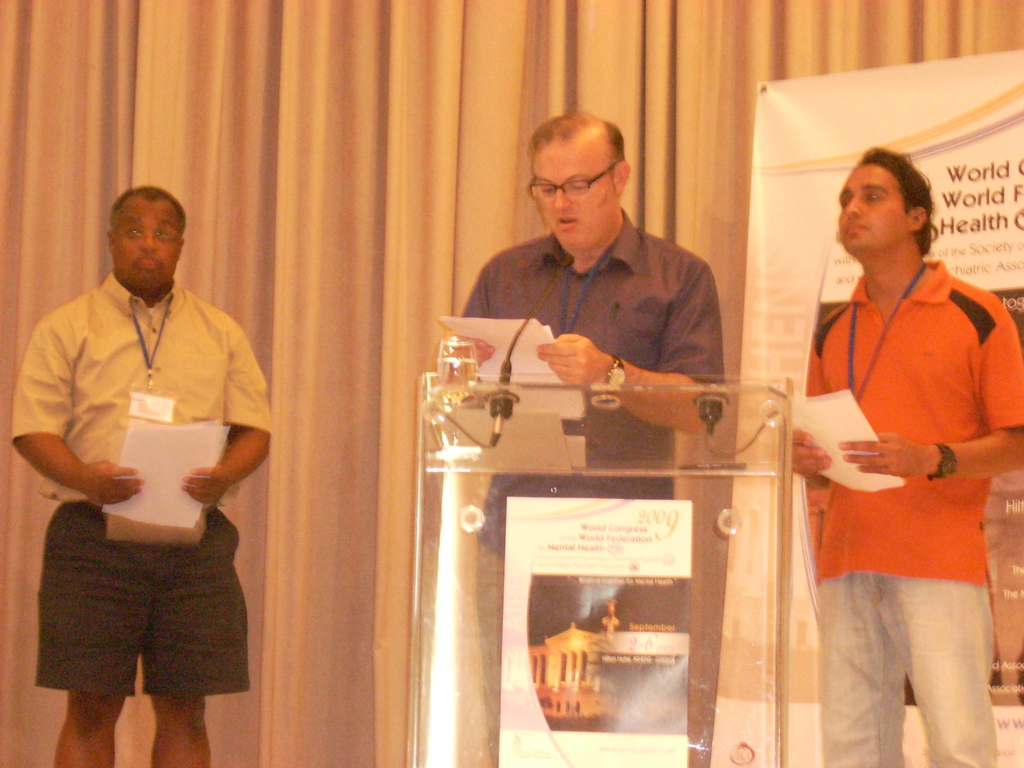
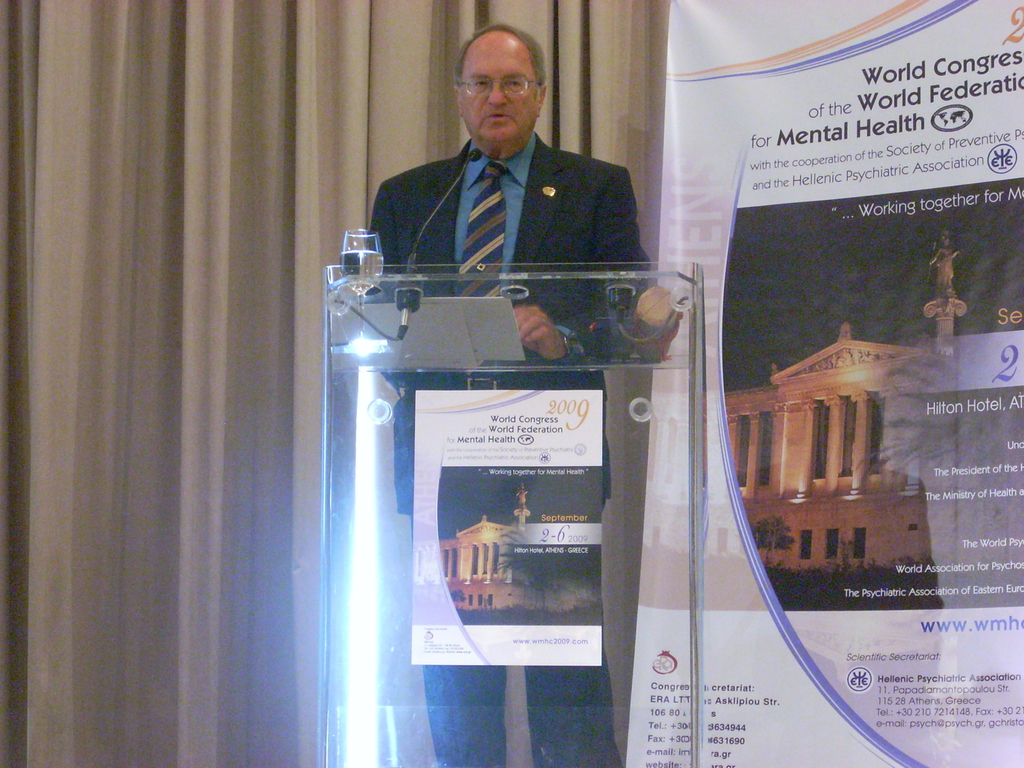
The Consumer Statement for the Congress
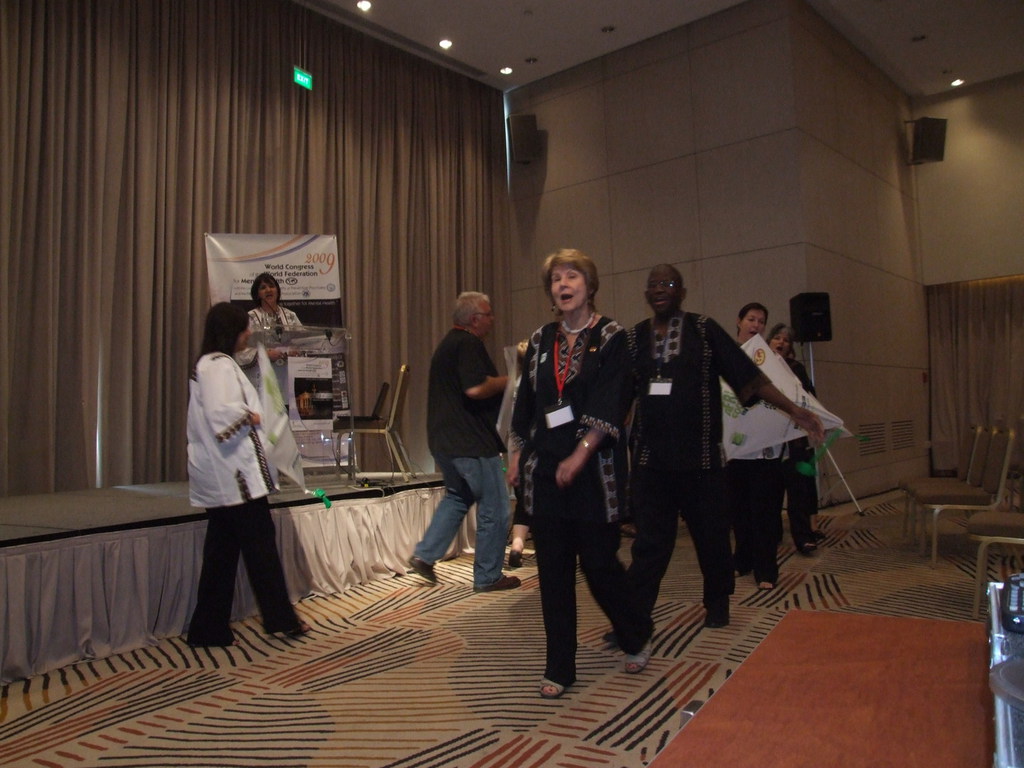
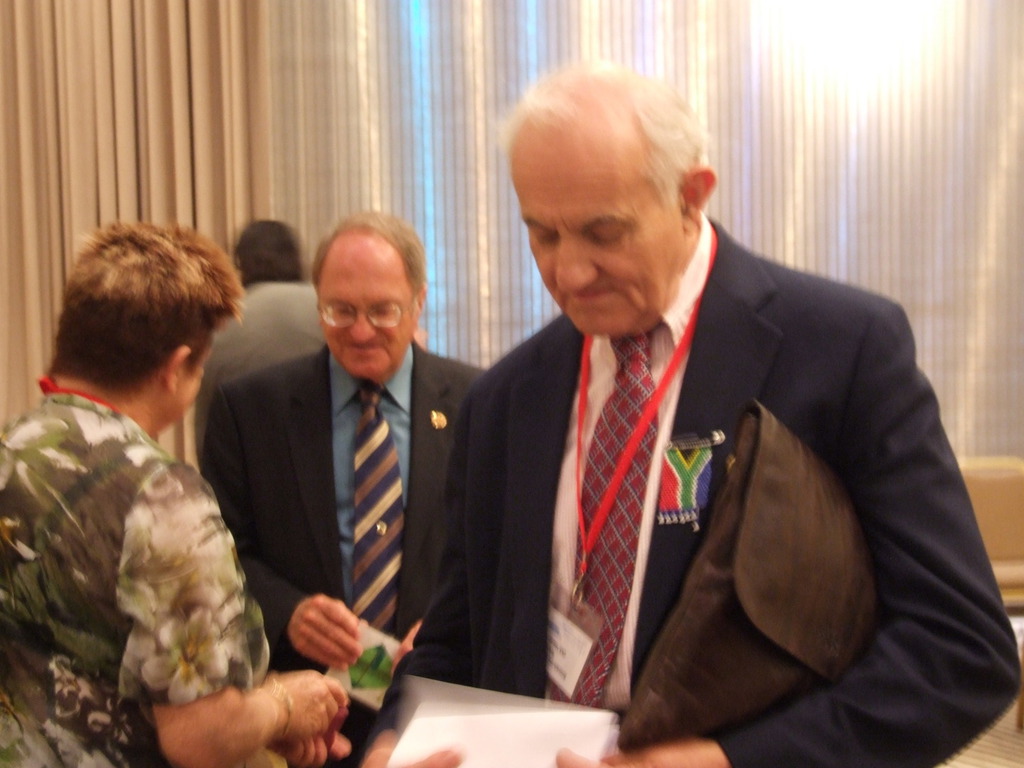
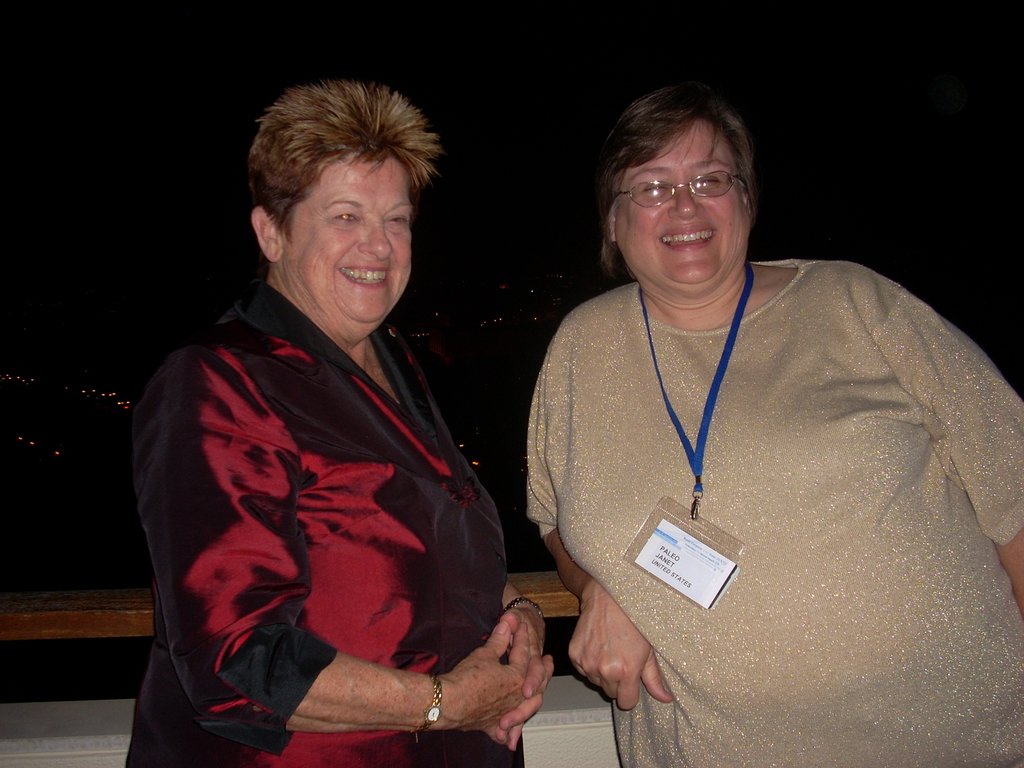
A statement from consumers/users/survivors present at the 2009 World Congress of the World Federation for Mental Health, Athens Greece. A number of people who identify as persons living with mental illness are in attendance and have agreed on a statement to those assembled regarding our interests and contributions.
As we, the WFMH working together for mental health, embark on this new era of unity, visibility, rights and recovery, we wish to offer the consumer/user/survivor perspective. As an integral part of this organization we seek full partnership. Here is what we offer:
Unity: we celebrate the call for unity and the recognition that it will bring about global awareness of mental health issues facing all people. We propose that WFMH prioritize and formalize the participation of those who are identified as consumer/users/survivors and systematically involve us in this unifying effort. Unity is not conformity; unity is collaborative partnership and cooperation towards those things we hold in common.
Visibility: visibility promotes the image and model of people living full lives in the face of experience of mental health problems. We call on the WFMH to proudly lead by formally including positions for persons with personal experience at all levels of participation. This means having specifically designated representation on the Board, active participation on organizing committees, being on the podium at the opening and closing sessions. This provides the visibility that clearly declares: “Recovery is Possible!” As your colleagues we request that the World Consumer Advisory Subcommittee of WFMH be reinstated to ensure ongoing consumer/user/survivor partnership and input for the WFMH membership.
Rights: As a united WFMH we can make the difference in protecting human rights throughout the world. We remind our fellow participants of the provisions of the UN Convention on the Rights of People with Disabilities (2008). This convention insists upon a social framework within which services are to be offered. We are whole people and our lives have meaning within the full social and cultural framework in which we live. This cultural framework must inform integrated care as endorsed by the WFMH community. Acknowledging that consumers/users/survivors require access to appropriate medical care is not the same as taking a holistic approach to care, including mind, body, spirit, and intellect. Wellbeing is the gestalt of all that it means to be a whole well human being and not just the sum of our parts. We are whole persons with full lives that exist in a social context.
Recovery: the knowledge that recovery is possible, as evident by our lives, must be shared with every person that has ever been diagnosed with a mental illness, and with their care providers. We acknowledge that many of our colleagues world wide and many of the entities providing services require support and education to fully incorporate a changed recovery paradigm into practice and policy. We offer ourselves, our programs, and our expertise in the effort of training providers in recovery based models. We ask that a recovery focus be modeled in the statements and activities and programs of the WFMH from now on.
Lastly, we congratulate the Greek based organizing committees for their successful effort in providing us with an informative congress. We encourage the South African committees to further build on this foundation by including consumers/users/survivors in all aspects of planning and workshop selections. We are pivotal in identifying services that enable others gain recovery.
 Click on Picture to open current Issue
Latest News
WMHDAY 2018 will focus on Young People and Mental Health in a Changing World!
Contact Us
World Federation for
Mental Health
PO BOX 807
Occoquan, VA 22125
USA
Email:
info@wfmh.com
Or use our contact form.
 Share
Share Print
Print 